

Software, AI and 3D · · 3 min read
How much does custom software cost and what decides it
How much custom software costs: what decides the price, why it is set after analysing the brief, how the first version is scoped…
The phrase 3D modelling covers three different needs: a model to print, a visualisation and a base for production. Each wants a different model. That is why we ask at the start what it is for.
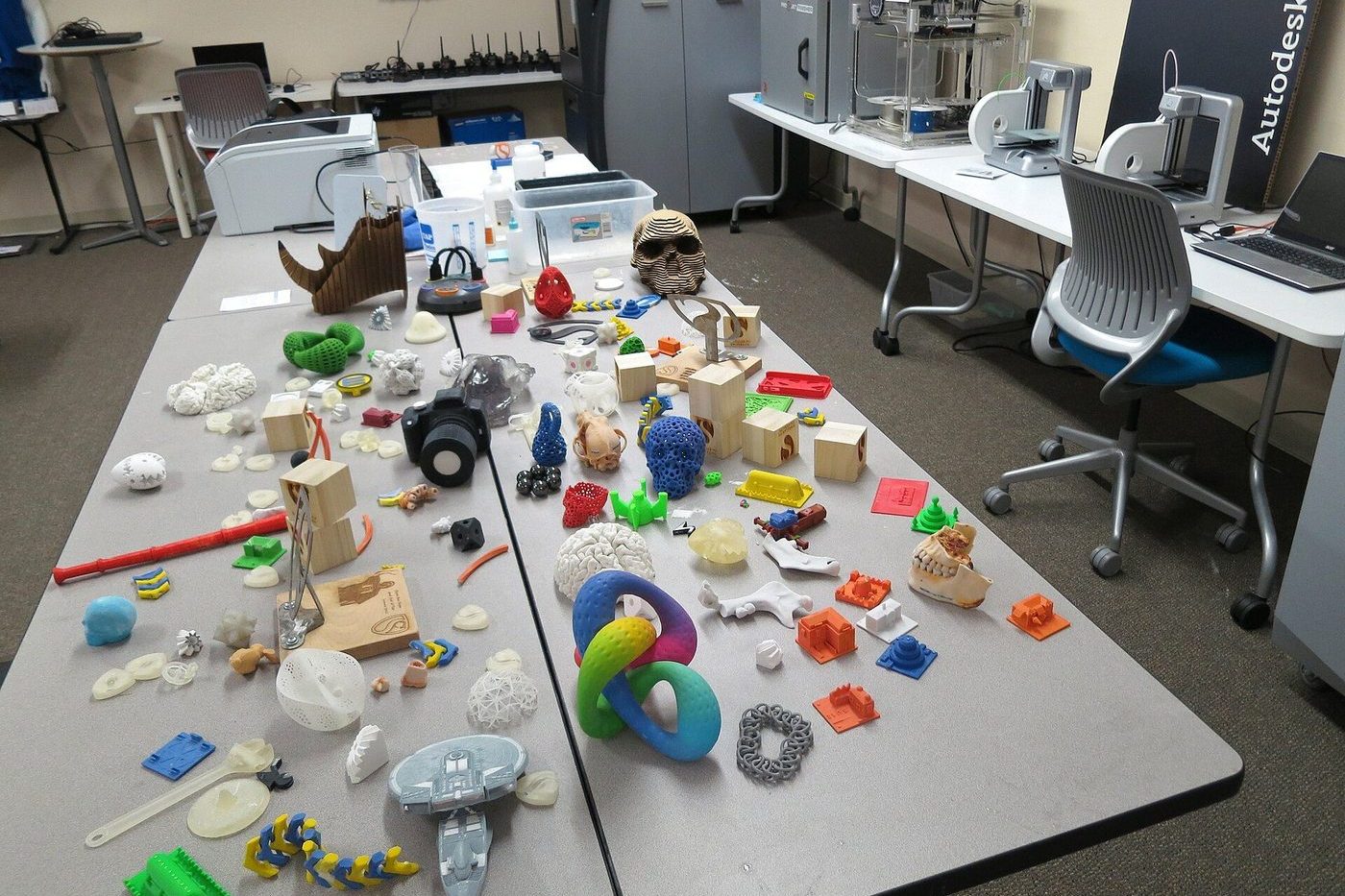
It must be watertight, meaning closed and with no errors in the mesh, and respect the printer's limits: wall thickness, overhangs, dimensions and tolerances. A beautiful model that cannot be printed is of no use.
Here appearance matters: materials, light, detail. It suits presentations, online stores, interior design or a picture of a layout before building starts. The amount of detail is adapted to what the visualisation has to show.
Exact dimensions and a format that the next program or manufacturer can handle are what count. We confirm the format and level of detail for each project.
Send a short description and any material you have on the 3D modelling page. We will clarify the next step. For presenting models online, see custom websites.
Software, AI and 3D · · 3 min read
How much custom software costs: what decides the price, why it is set after analysing the brief, how the first version is scoped…
Software, AI and 3D · · 3 min read
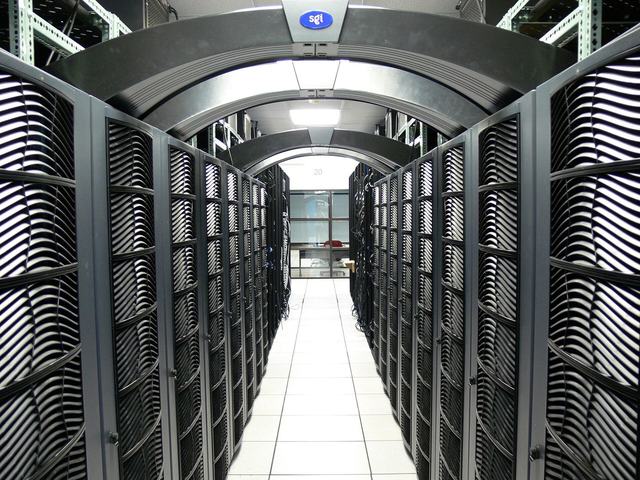
Hardware for local AI in a company: what decides model size, number of users and memory, from a desktop computer to a GPU server…
Websites and pricing · · 4 min read
Website cost in 2026: a one-page site around 8,000 CZK, a typical site 16,000 to 20,000 CZK, a large one from 45,000 CZK. What…
Send us your web address.
In two days you get one page back.
Got it. We will come back to you within two working days at the address we find for the domain. Or call us, that is faster.
We have opened a pre-filled e-mail for you. Just send it. Or simply call us.
Free, no obligation. We do not need access to any of your accounts.
How we handle your dataMatyáš Musela · 733 230 308 · Filip Berčík · 774 915 200 · aetheron@aetheron.cz · Prague
What people in your trade actually search for
How much of it reaches you today
What we would do first, and why